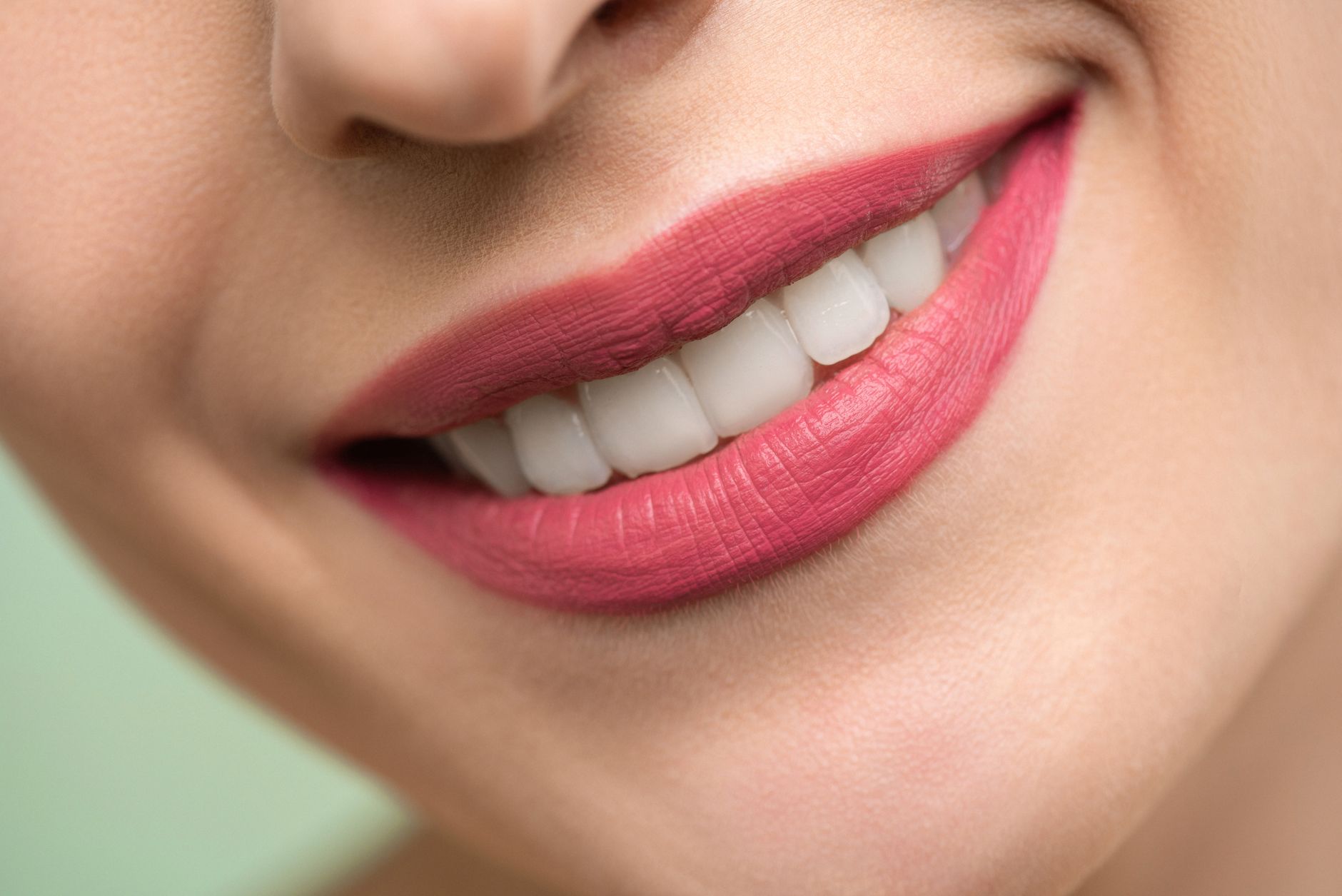
If a missing tooth has you dreading holiday photos or Thanksgiving dinner, a dental bridge can fill the gap with a natural-looking, fixed tooth. Starting in early November gives you a realistic window to complete treatment in Clearwater before the busiest weeks of the season.
November in Clearwater brings cooler mornings, family visits from up north and plenty of gatherings, from Countryside to Dunedin to Safety Harbor. It's also the time of year when many people finally decide to deal with the gap they've been hiding in photos. If that sounds familiar, here's what you should know about dental bridges, how the process works and how to plan around the holidays.
Why a Missing Tooth Matters More Than the Photo
It's natural to think first about appearance. A gap near the front of your smile can make you hold back in pictures or cover your mouth when you laugh. But a missing tooth affects more than looks.
When a tooth is lost, the space doesn't stay empty and harmless. Over time, a few things can happen:
- Neighboring teeth can drift or tilt into the open space, which may change how your teeth fit together.
- The opposing tooth can shift up or down toward the gap.
- Chewing can become uneven, putting extra pressure on the teeth you lean on.
- Food can get trapped in new spaces created by shifting teeth, making cleaning harder.
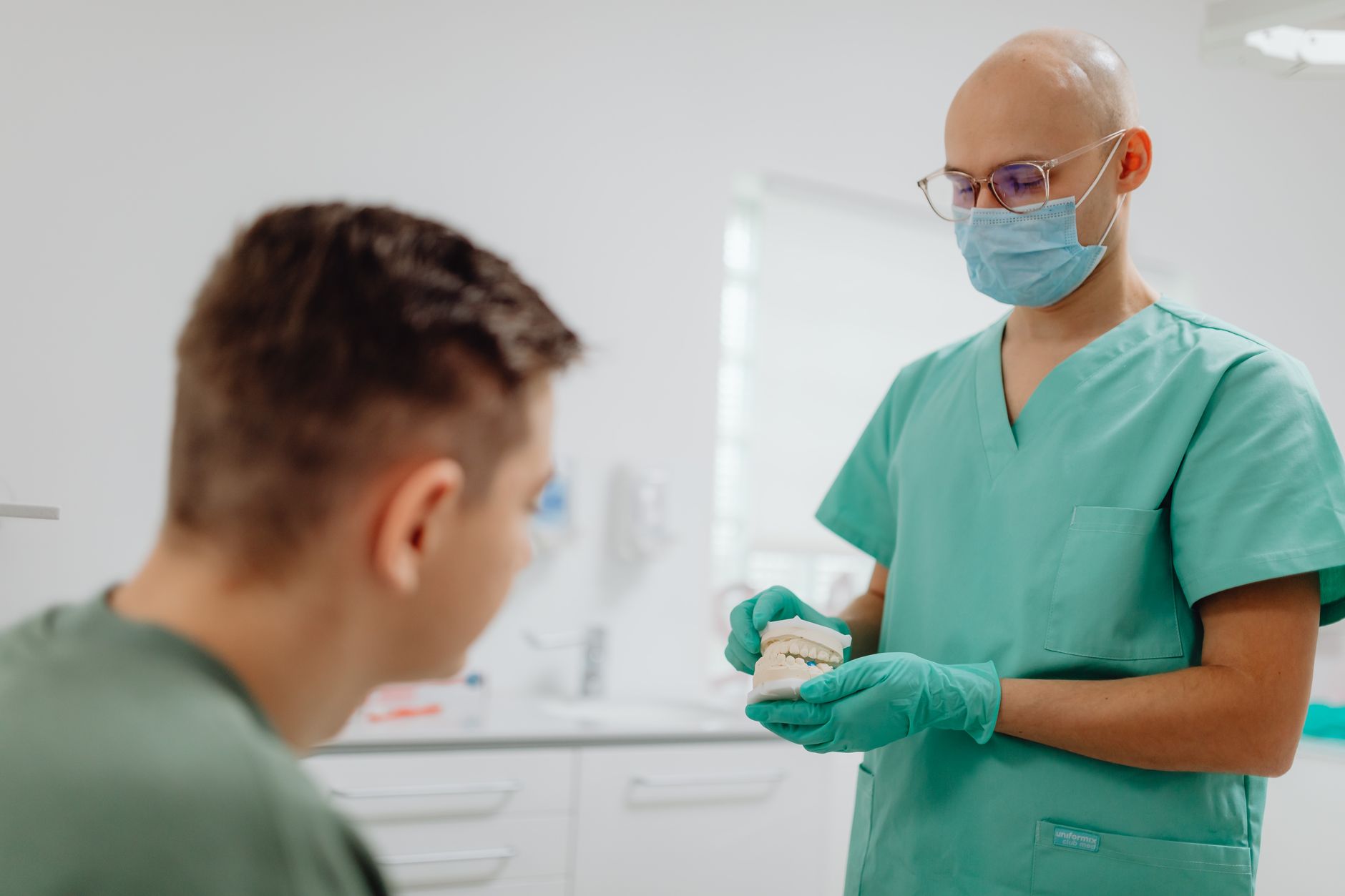
Replacing a missing tooth helps keep your bite stable and your other teeth working the way they should. That's why Dr. Jason Kopakin talks with patients about both the cosmetic and the functional side of tooth replacement.
How Dental Bridges Work
A bridge is a fixed restoration, meaning it stays in your mouth and doesn't come out like a denture. It "bridges" the gap left by one or more missing teeth.
The parts of a bridge
- The replacement tooth (or teeth): An artificial tooth shaped and shaded to blend in with your smile.
- The anchors: Dental crowns placed on the healthy teeth on either side of the gap. These hold the replacement tooth securely in place.
Because the neighboring teeth are prepared to support crowns, a bridge works especially well when those teeth already have large fillings or could benefit from the added protection of a crown anyway.
Who is often a good fit
You may be a candidate for a bridge if you:
- Are missing one tooth or a few teeth in a row
- Have healthy teeth on both sides of the space
- Have healthy gums and good bone support
- Prefer a fixed option you don't remove at night
Only an exam can tell you whether a bridge is the right choice for your mouth, so consider this a starting point for the conversation rather than a diagnosis.
What to Expect: Planning Around the Holidays
If you've been searching "dental bridges Clearwater" because you want a complete smile by the end of the year, timing matters. A bridge is custom-made, so it generally takes more than one visit.
Visit one: exam and preparation
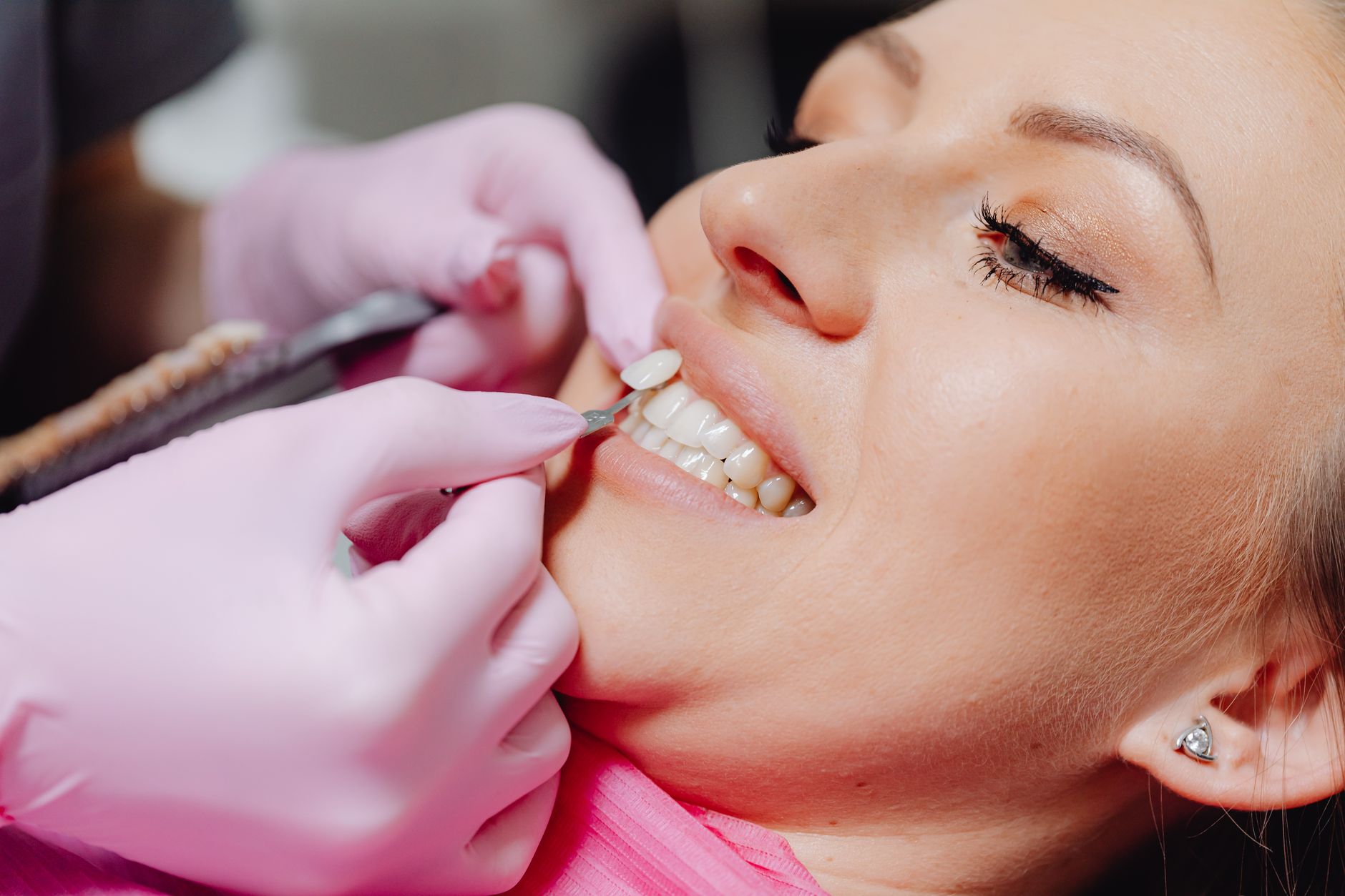
At your first appointment, we'll examine the area, take digital X-rays and talk through your options. If a bridge is the right fit, the supporting teeth are numbed and gently shaped so crowns can fit over them. Impressions are taken so the bridge can be crafted to match your bite and your natural tooth color.
You'll leave with a temporary bridge, so you won't be walking around with a gap while your permanent one is being made.
Visit two: placing your bridge
When your custom bridge is ready, we check the fit, color and bite, make any adjustments and cement it into place. Most patients find the adjustment period short, though it can take a few days to get used to the feel.
Why early November is a smart time to start
The holiday season fills calendars quickly, both yours and ours. Starting now gives you breathing room for:
- Fitting both visits around work, school and travel
- Any adjustments before big family gatherings
- Time to get comfortable chewing with your new bridge before Thanksgiving or December celebrations
Your exact timeline depends on your situation, so the best next step is a consultation where we can give you a personalized plan.
Bridge, Implant or Partial: Comparing Your Options
A bridge isn't the only way to replace a missing tooth. As a general, restorative and cosmetic dentist, Dr. Kopakin will walk you through the options that make sense for you.
Dental bridge
- Fixed in place, no removal at night
- Uses the neighboring teeth for support
- Typically completed in two main visits
Dental implant
Dental implants replace a tooth from root to crown with a small titanium post that fuses with the jawbone. Implants don't rely on neighboring teeth for support, but the process includes a healing period, so it usually takes longer to finish than a bridge. If your goal is a complete smile within the next several weeks, it's worth discussing how each option fits your timeline.
Partial denture
Dentures and partial dentures are removable appliances that can replace several missing teeth. They can be a good option when multiple teeth in different areas are missing.
There's no one-size-fits-all answer. The right choice depends on your oral health, the condition of nearby teeth, your goals and your budget. You can learn more about our full range of restorative dentistry options as you think it over.
Enjoying Thanksgiving With a New Bridge
One of the best parts of replacing a missing tooth is chewing comfortably again. Once your bridge is placed and you've adjusted to it, you can generally enjoy a normal holiday meal. A few tips help protect your investment:
- Take it easy on very hard foods. Cracking nuts, chewing ice or biting hard candy can damage any restoration, including natural teeth.
- Watch sticky treats. Caramel and taffy-style desserts can pull on dental work.
- Clean under the bridge daily. Food can collect beneath the replacement tooth. Floss threaders, a water flosser or small interdental brushes make this easier.
- Keep up with cleanings and exams. Healthy anchor teeth and gums are what keep a bridge stable for the long run.
If something ever feels loose, sharp or uncomfortable, call us so we can take a look. For urgent problems, our emergency dentistry team will see you same-day when possible.
Insurance, Membership and Financing
The end of the year is a natural time to review your dental benefits. If your plan runs on a calendar year, any unused benefits may not roll over after December 31, so starting treatment now could help you make the most of what you have.
Here's how Boulevard Dental can help:
- Insurance: We accept all PPO dental insurance plans. Our team can help you understand your benefits before treatment. Visit our insurance page for details.
- No insurance? Our membership plan is $275 a year for adults and $200 a year for children. It includes two cleanings, exams and digital X-rays, plus 20% off most procedures (excluding whitening and retail products).
- Financing: Flexible financing is available for larger treatment plans.
Patients come to us from Clearwater and nearby communities like Palm Harbor, Largo and Oldsmar, and we're proud of our 5.0-star rating from 901 Google reviews.
Book Your Bridge Consultation Today
If a missing tooth is holding back your smile this season, we'd love to help. Boulevard Dental is a trusted dentist in Clearwater at 2725 Park Dr #1, Clearwater, FL 33763.
Call us at (727) 799-4897 or request an appointment online through our contact page. Our hours are Monday through Thursday, 8:00 AM to 4:30 PM, and Friday, 8:00 AM to 2:00 PM. We're closed on weekends, so reach out early in the week to get your consultation on the calendar before the holiday rush.