
The most important preventive dental care in Clearwater happens at home: brushing twice a day with fluoride toothpaste, cleaning between your teeth once a day and rinsing wisely. Those simple habits, backed by regular professional visits, are your best defense against cavities and gum disease.
October is National Dental Hygiene Month, a good excuse for Clearwater families to look at what happens at the bathroom sink every morning and night. Your cleanings and exams matter, but they happen only a few times a year. The other 360-plus days are up to you. Here is a practical guide to the daily habits that protect your smile between visits.
Why October Is a Good Time to Reset Your Routine
Fall in Pinellas County doesn't feel much like fall. It's still warm, still humid and still a great time for beach days in Clearwater and Dunedin or weekend walks around Safety Harbor. That means plenty of iced coffee, sweet tea and sports drinks, all of which can affect your teeth.
October also kicks off a stretch of treats: Halloween candy, then holiday baking and parties through the end of the year. Tightening up your routine now helps you head into that season with healthy habits already in place.
And if you have dental insurance, fall is a smart time to schedule any remaining cleanings before your benefits reset at the end of the year.
Brushing: Getting the Basics Right
Most people brush every day. Fewer brush in a way that actually removes plaque, the sticky film of bacteria that leads to cavities and gum irritation.
Technique
- Brush for a full two minutes, twice a day. Use a timer or a toothbrush with a built-in one. Two minutes feels longer than you expect.
- Angle the bristles toward the gumline. Plaque collects where your teeth meet your gums. Tilt the brush at a slight angle and use gentle, small circles.
- Be gentle. Scrubbing hard doesn't clean better. It can wear down enamel and irritate your gums over time.
- Don't forget the backs of your teeth and your tongue. The inner surfaces and the tongue hold bacteria that contribute to bad breath.
Timing
- Brush before bed, every night. Saliva flow slows while you sleep, so bedtime brushing is especially important.
- Spit, don't rinse. After brushing, spit out the extra toothpaste but skip the big rinse with water. Leaving a thin layer of fluoride on your teeth gives it more time to work.
- Wait a bit after acidic foods and drinks. Citrus, soda and sports drinks temporarily soften enamel. Rinsing with water and waiting a while before brushing is gentler on your teeth.
Tools
- Choose a soft-bristled brush. Manual or electric both work well when used correctly.
- Use fluoride toothpaste. Fluoride helps strengthen enamel and resist decay.
- Replace your brush every three to four months, or sooner if the bristles look frayed or you've been sick.
Flossing and Cleaning Between Teeth
Your toothbrush can't reach the tight spaces between your teeth, and that's where many cavities and much of the early gum irritation begins. Cleaning between your teeth once a day is a core part of preventive care.
How to Floss Well
- Use about 18 inches of floss, winding most of it around your middle fingers.
- Slide it gently between teeth. Avoid snapping it into your gums.
- Curve the floss into a "C" shape around each tooth and move it up and down, going slightly below the gumline.
- Use a clean section of floss for each space.
If Traditional Floss Isn't Working for You
The best tool is the one you'll actually use. Good alternatives include:
- Floss picks, which are easier to hold for some people
- Water flossers, which can be helpful around crowns, bridges or other dental work
- Interdental brushes, tiny brushes that fit between teeth with larger gaps
What About Bleeding?
Some people stop flossing because their gums bleed. Light bleeding when you first start can happen, but bleeding that continues for more than a week or two is worth having checked. It can be an early sign of gum problems, and our team can let you know whether periodontal disease treatment or simply a better routine is the right next step.
Rinsing: What Mouthwash Can and Can't Do
Mouthwash is a helpful extra, but it doesn't replace brushing or flossing. Think of it as a finishing step.
- Fluoride rinses can add extra cavity protection, especially for people who are prone to decay.
- Antimicrobial rinses help reduce plaque bacteria and can freshen breath.
- Alcohol-free options are gentler if you have a dry mouth or sensitive tissues.
- Plain water counts, too. Swishing with water after meals, snacks or a sweet drink helps wash away food and sugar when you can't brush.
If you use a fluoride rinse, try using it at a different time than brushing, such as after lunch, so you're not rinsing away the fluoride from your toothpaste. Not sure which type is right for you? Ask at your next visit and we'll make a recommendation based on your mouth.
Everyday Clearwater Habits That Affect Your Teeth
Your brushing and flossing routine works best when your daily habits support it. A few things to watch during a warm Florida fall:
- Sipping all day. Slowly sipping sweet tea, sweetened coffee or sports drinks keeps your teeth bathed in sugar and acid for hours. Enjoy them with a meal instead, and switch to water between.
- Staying hydrated. Time outdoors in the heat can leave your mouth dry. Saliva is one of your natural defenses against decay, so keep a water bottle handy at the beach, the park or your kids' games.
- Halloween candy. Sticky, chewy and hard candies linger on teeth the longest. If your family enjoys treats, have them with or right after a meal and brush well that evening.
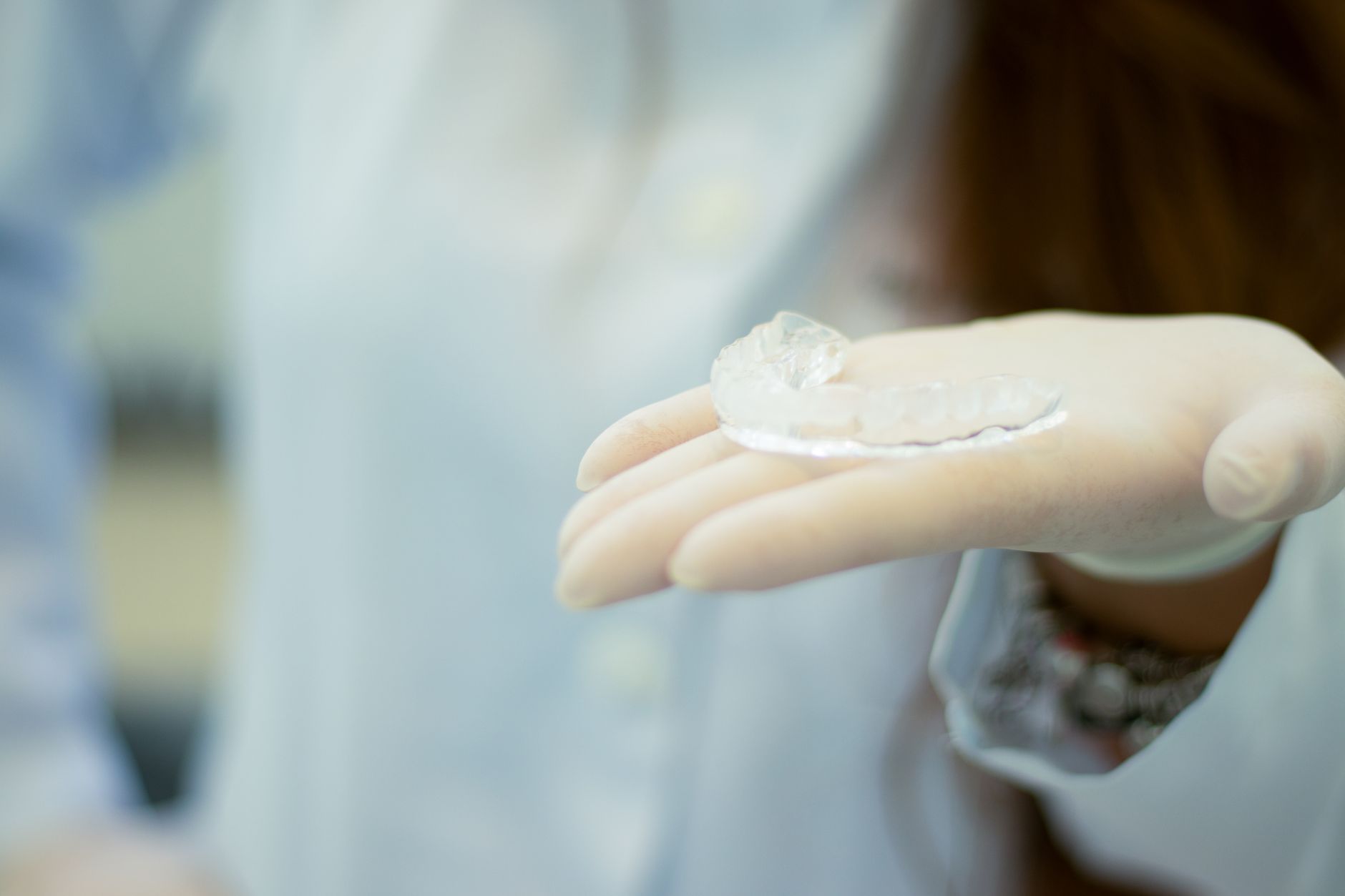
- Protecting teeth during sports. Fall sports seasons are in full swing across Clearwater, Largo and Palm Harbor. A properly fitted mouthguard helps prevent chipped and broken teeth.
- Snacking smart. Cheese, crunchy vegetables and nuts are kinder to teeth than crackers and chips, which tend to stick in grooves.
Where Professional Visits Fit In
Even the best home routine can't remove hardened tartar or spot problems you can't see in the mirror. That's why preventive dental care combines your daily habits with regular professional visits.
During dental cleanings and exams, our team removes plaque and tartar, checks your teeth, gums and soft tissues for early signs of trouble, takes digital X-rays when needed and performs oral cancer screenings. Catching small issues early usually means simpler treatment.
This partnership between your daily habits and your dental team is the kind of preventive dental care Clearwater families rely on to keep their smiles healthy for life. Your hygienist can also show you any spots you tend to miss and suggest tools that fit your mouth.
Paying for Preventive Care
Boulevard Dental accepts all PPO dental insurance plans. If you don't have insurance, our membership plan is $275 a year for adults and $200 a year for children. It includes two cleanings a year, exams and digital X-rays, plus 20% off most other procedures (excluding whitening and retail products). The children's plan also includes fluoride treatment.
Book Your Next Cleaning With Boulevard Dental
National Dental Hygiene Month is a great reminder to schedule your next checkup. If you're looking for a friendly dentist in Clearwater who serves patients from Countryside, Safety Harbor, Dunedin, Palm Harbor, Largo and Oldsmar, Dr. Jason Kopakin and our team would love to help.
You can book online or call us at (727) 799-4897. Our office at 2725 Park Dr #1 is open Monday through Thursday from 8:00 AM to 4:30 PM and Friday from 8:00 AM to 2:00 PM. We're closed on weekends. New to the practice? Visit our new patients page to see what to expect.