2725 Park Dr, Suite 1, Clearwater, FL 33763
Dental Implants: Your Top Questions Answered by Our Dental Team
Dental implants are one of the most researched and trusted tooth replacement options available today. Yet many patients still have questions before committing to treatment. At Boulevard Dental, our dental team hears the same concerns week after week. This FAQ deep dive covers the questions patients actually type into search engines — answered honestly and clearly.
What Exactly Are Dental Implants?
A dental implant is a small titanium post placed into the jawbone. It acts as an artificial tooth root. Over time, the bone fuses around the post in a process called osseointegration.
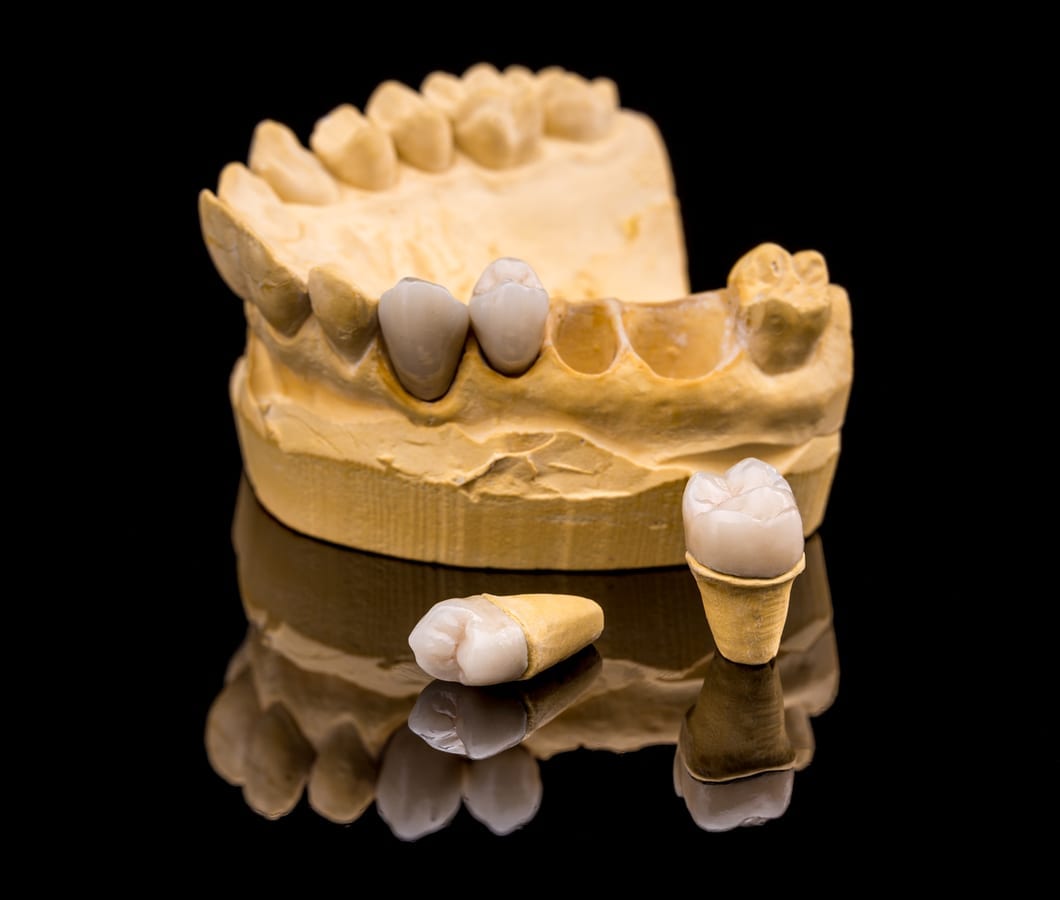
Once healed, a custom crown is attached to the top of the post. The result looks, feels, and functions like a natural tooth. Dental implants are not removable like dentures.
They are considered a long-term solution for tooth loss. With proper care, implants can last many decades. That makes them one of the most cost-effective options over a lifetime.
Am I a Good Candidate for Dental Implants?
Most healthy adults with missing teeth are potential candidates. Good candidates have sufficient jawbone density to support the implant. They should also have healthy gums and no untreated infections.
Certain conditions may require additional evaluation. These include uncontrolled diabetes, smoking habits, and significant bone loss. Our dental team will review your full health history before recommending treatment.
Bone grafting may be needed if your jaw has lost density over time. This is common when a tooth has been missing for several years. A bone graft simply builds the foundation back up before implant placement.
How Long Does the Dental Implant Process Actually Take?
The full process typically spans three to nine months. This varies based on your individual healing speed and whether bone grafting is needed. Most of that time is simply waiting for bone to fuse with the implant.
Here is a general overview of the stages involved:
- Initial consultation and imaging to assess bone and gum health
- Tooth extraction if the damaged tooth is still present
- Bone graft placement and healing period if required
- Implant post placement into the jawbone
- Osseointegration healing period — usually two to four months
- Abutment placement to connect the post and crown
- Custom crown fabrication and final placement
Actual chair time at each appointment is relatively brief. The longer timeline is driven by biology, not procedure complexity. Your body needs time to heal correctly at each stage.
Will the Procedure Hurt?
This is one of the most common questions our dental team receives. The procedure itself is performed under local anesthesia. Most patients report feeling pressure but not sharp pain during placement.
Post-procedure soreness is normal and expected. Most patients manage it with over-the-counter pain relievers. Swelling and mild discomfort typically peak around day two or three.
Many patients are surprised by how manageable the recovery actually is. Following post-care instructions closely makes a big difference. Cold compresses and soft foods help significantly in the first few days.
Can I Drive Myself Home After the Appointment?
If only local anesthesia is used, most patients can drive themselves home. However, if you choose sedation dentistry for comfort, you will need a driver. Always confirm this with our team before your appointment day.
Plan to rest for the remainder of the day after your procedure. Avoid strenuous activity for at least 48 to 72 hours. Light walking is fine, but intense exercise can increase swelling and bleeding.
How Do I Care for Dental Implants After Placement?
Caring for implants is straightforward. Brush twice daily and floss around the implant just as you would natural teeth. Routine dental cleanings are essential to long-term implant success.
Here are some key care tips to follow:
- Use a soft-bristled toothbrush to avoid irritating the gum tissue
- Floss carefully around the implant and crown daily
- Avoid chewing hard objects like ice or pen caps
- Attend scheduled follow-up visits at Boulevard Dental
- Notify our team promptly if you notice unusual pain or movement
Implants cannot get cavities, but the surrounding gum tissue can still develop problems. Peri-implantitis is a gum condition similar to gum disease. Consistent home care and professional cleanings help prevent it entirely.
Is This a Good Time of Year to Start the Process?
Late spring is actually a great time to begin your dental implant journey. For many families, the school year is winding down. Schedules tend to open up, making it easier to attend multiple appointments.
Graduation season and summer break often motivate patients to prioritize their smiles. Whether it is a milestone event or simply pre-summer prep, starting treatment now means healing can progress through the warmer months. Many patients complete their final crown placement just in time for fall.
Our team also sees an uptick in Mother’s Day gift appointments this time of year. A consultation for dental implants can be a meaningful and lasting gift. Good oral health is worth celebrating at any age.
How Do Dental Implants Compare to Dentures or Bridges?
Each option serves a different need and lifestyle. Dental implants stand apart in several important ways. They do not rely on adjacent teeth for support, unlike bridges.
Dentures are removable and may require adhesives over time. Implants are fixed and do not shift while eating or speaking. That stability has a meaningful impact on daily confidence and comfort.
Implants also stimulate the jawbone, which helps prevent bone loss. Dentures and bridges do not offer this benefit. Over time, untreated bone loss can change the shape of your face.
What Happens If I Ignore a Missing Tooth?
Many patients delay treatment hoping the situation will resolve itself. Unfortunately, tooth loss tends to create a cascade of problems. Adjacent teeth can shift toward the gap over time.
Bone loss at the site of the missing tooth begins within the first year. Chewing function is often compromised, affecting nutrition and digestion. Early intervention with dental implants helps avoid these downstream complications.
Our dental team encourages patients to explore their options sooner rather than later. The longer a tooth has been missing, the more preparation may be required. An early consultation gives you the most options with the least complexity.
At Boulevard Dental, we believe informed patients make the best decisions for their health. Learn more about our team and our approach to patient education. If you are curious about whether implants are right for you, a consultation is the best next step. Learn More about how we can help you.
Frequently Asked Questions
How long do dental implants last?
With proper care and regular dental visits, dental implants can last 20 years or longer. The crown on top may need replacement after 10 to 15 years due to normal wear, but the implant post itself is designed to be permanent.
Are dental implants safe for older adults?
Age alone is not a disqualifying factor for dental implants. Many healthy adults in their 60s, 70s, and beyond receive implants successfully. Our dental team evaluates overall health and bone density on a case-by-case basis to determine suitability.
Will my dental implant look natural?
Yes. The crown attached to your implant is custom-made to match the color, shape, and size of your surrounding teeth. Most people cannot tell the difference between an implant crown and a natural tooth.
Is there anything I should avoid eating after getting a dental implant?
In the days immediately following placement, stick to soft foods like yogurt, mashed potatoes, and soup. Avoid hard, crunchy, or chewy foods until your dentist gives you the green light. Long-term, most patients return to eating normally once fully healed.
Can dental implants fail?
Implant failure is uncommon but can occur. Risk factors include smoking, uncontrolled systemic health conditions, and poor oral hygiene. Following your post-care instructions and attending all follow-up appointments significantly reduces the risk of complications.