2725 Park Dr, Suite 1, Clearwater, FL 33763
Losing a tooth — or several — changes more than your smile. It affects how you eat, speak, and feel about yourself. If you’re weighing dental implants vs. dentures and wondering which option fits your life in Clearwater, you’re not alone. Many patients at Boulevard Dental of Clearwater face this exact decision. Dr. Jason Kopakin helps patients understand their choices so they can move forward with confidence. This guide breaks down both options honestly and clearly.
Understanding the Core Difference Between Implants and Dentures
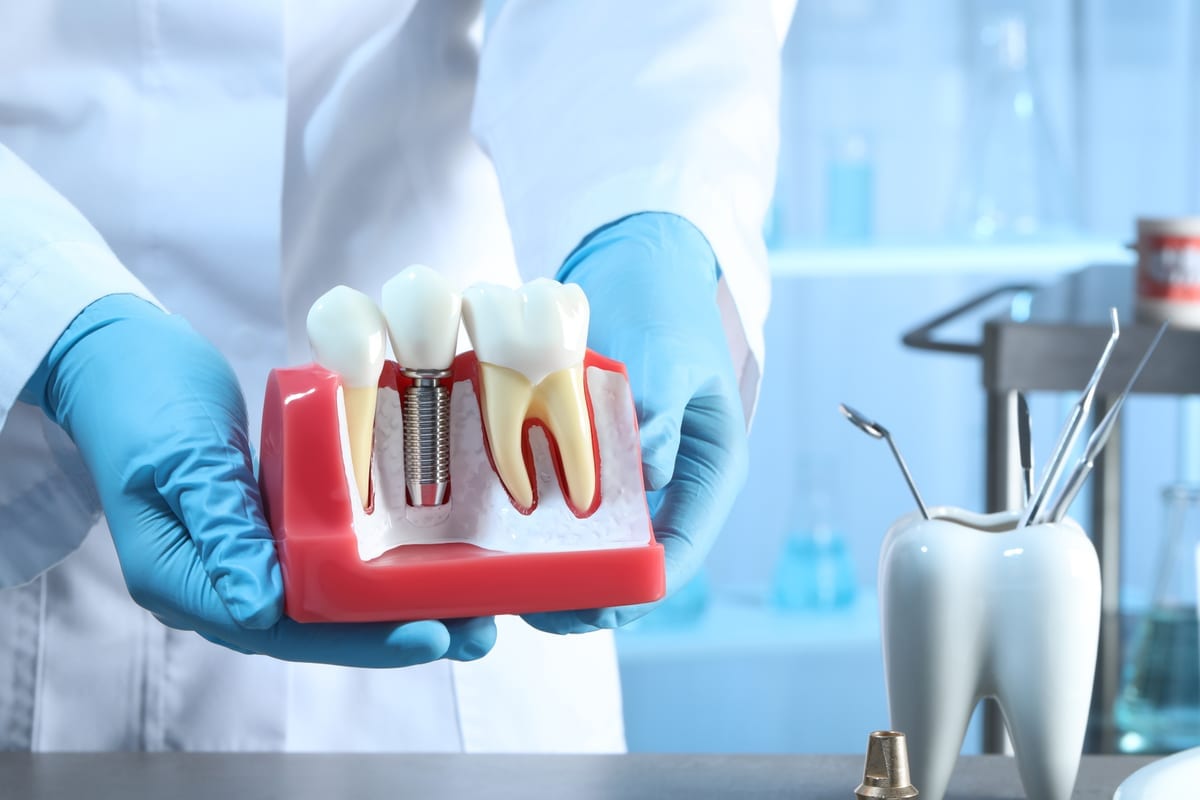
Dental implants replace a missing tooth at the root level. A titanium post is surgically placed into the jawbone. A custom crown is then attached on top. The result looks, feels, and functions like a natural tooth.
Dentures, on the other hand, are removable appliances. They sit on the gums and rely on suction or adhesive to stay in place. Full dentures replace all teeth on an arch. Partial dentures fill in gaps when some natural teeth remain.
Bridges are a third option worth mentioning. A bridge anchors a false tooth to the two teeth on either side. This requires reshaping healthy teeth, which is a real trade-off. Understanding these differences helps you have a more informed conversation with your dentist.
Dental Implants vs. Dentures: Comparing Comfort and Daily Life in Clearwater
Comfort is one of the biggest factors patients in Clearwater weigh when choosing tooth replacement. Dental implants become part of your jaw. They don’t slip, click, or require removal at night. Most people forget they even have them.
Dentures can feel bulky at first. They may shift while eating or speaking. Many patients need several adjustments before the fit feels right. Adhesives help but can be messy and inconvenient over time.
Here’s a quick comparison of daily life with each option:
- Implants: Brush and floss like natural teeth — no special routine required
- Dentures: Must be removed nightly and soaked in a cleaning solution
- Implants: No dietary restrictions — eat whatever you want
- Dentures: Sticky or hard foods can dislodge or damage them
- Implants: No impact on speech once healed
- Dentures: May cause clicking sounds or slipping during conversation
For patients who value a seamless, low-maintenance lifestyle, implants tend to win out. But dentures offer real advantages in the right situations.
When Dentures Make More Sense for Your Situation
Dental implants are not always the best fit for every patient. Dentures may be the smarter choice depending on your health and circumstances. Here are situations where dentures are often recommended:
- You need to replace all teeth on one or both arches
- Bone loss in the jaw makes implant placement difficult
- Medical conditions affect healing after oral surgery
- You prefer a faster, non-surgical solution
- Budget is a primary consideration right now
Dentures have improved significantly over the years. Modern materials look more natural and feel more comfortable than older versions. Your dentist can ensure a proper fit to minimize slipping.
There is also a middle-ground solution worth exploring: implant-supported dentures. These use two to four implants to anchor a full arch. You get more stability than traditional dentures without the cost of individual implants for every tooth.
Long-Term Value: What Does Each Option Really Cost You?
Upfront, dental implants cost more than dentures. This is a fact that many patients in Clearwater factor into their decision. However, looking at long-term value changes the picture considerably.
Dentures typically need to be replaced every five to ten years. The jawbone continues to shrink after tooth loss, which changes the fit over time. This leads to ongoing costs for replacements, relines, and adhesives. Those expenses add up quickly over a decade or two.
Dental implants, when properly cared for, can last a lifetime. The crown on top may need replacement after fifteen to twenty years, but the implant itself remains stable. For many patients, the long-term cost of implants is actually lower than repeated denture replacements.
There is also a health benefit to implants that dentures cannot offer. Implants stimulate the jawbone, preventing the bone loss that naturally follows tooth removal. Dentures sit on top of the gums and provide no such stimulation. Over time, bone loss from dentures can change the shape of your face and jaw.
What to Expect During the Implant or Denture Process at Boulevard Dental
Knowing what to expect helps patients feel less anxious about starting treatment. Here is a general overview of each process:
For dental implants:
- Consultation and 3D imaging to assess bone density and jaw structure
- Implant post placement — a minor surgical procedure done under local anesthesia
- Healing period of three to six months while the implant bonds with the bone
- Placement of the abutment and custom crown to complete the restoration
For dentures:
- Impressions and measurements are taken of your mouth
- A temporary denture may be worn while the permanent one is crafted
- Fitting appointment to check comfort and bite alignment
- Follow-up visits for adjustments as needed
If you experience a sudden tooth injury or dental emergency, our team is here to help. Emergency Dentistry Clearwater patients trust Boulevard Dental for fast, compassionate care when it matters most.
Replacing missing teeth is also part of a broader approach to your smile. If you are interested in enhancing your overall appearance, explore what Cosmetic Dentistry Clearwater patients choose at Boulevard Dental of Clearwater.
Making Your Decision with Dr. Jason Kopakin in Clearwater
There is no single right answer when it comes to dental implants vs. dentures. The best choice depends on your oral health, lifestyle, goals, and timeline. Dr. Jason Kopakin takes the time to review your full dental history and listen to your concerns. He then recommends options tailored specifically to you.
The team at Boulevard Dental of Clearwater wants you to feel informed and empowered — not pressured. Whether you move forward with implants, dentures, or an implant-supported hybrid, the goal is the same: restoring your confidence and your ability to live fully.
If you are ready to explore your tooth replacement options, we are here to help. Book Now to schedule your appointment with our team.
Frequently Asked Questions
How do I know if I have enough bone for a dental implant?
Dr. Kopakin uses 3D imaging to evaluate your jawbone density and volume. If bone loss has occurred, a bone graft procedure may be performed first to prepare the site for an implant. Many patients who initially believe they are not candidates become good candidates after grafting.
Can I switch from dentures to dental implants later?
Yes, in many cases patients can transition from traditional dentures to implants or implant-supported dentures. A full evaluation is needed to assess current bone levels and gum health. The longer dentures are worn without implants, the more bone loss may occur, so earlier evaluation is always better.
Are dental implants painful to get?
The procedure is performed under local anesthesia, so you should feel little to no pain during placement. Some soreness and swelling are normal in the days following surgery. Most patients manage comfortably with over-the-counter pain relievers and return to normal activities within a few days.
How long do dental implants actually last?
With proper care, the titanium implant post can last a lifetime. The crown attached to the implant typically lasts fifteen to twenty-five years before it may need replacement due to normal wear. Regular dental visits and good oral hygiene are the keys to maximizing longevity.
What happens if I do nothing after losing a tooth?
Leaving a gap after tooth loss leads to bone loss in the jaw over time. Neighboring teeth may shift toward the empty space, affecting your bite and alignment. This can lead to additional tooth loss and make future restoration more complex and costly.