2725 Park Dr, Suite 1, Clearwater, FL 33763
If you’ve been told you need a crown, you might feel a little unsure about what’s ahead. Many Clearwater patients ask the same thing: what actually happens during a dental crown appointment, step-by-step? At Boulevard Dental of Clearwater, Dr. Jason Kopakin walks every patient through the process before anything begins. Understanding each stage helps reduce anxiety and puts you in control of your own care.
Why You Might Need a Dental Crown in Clearwater
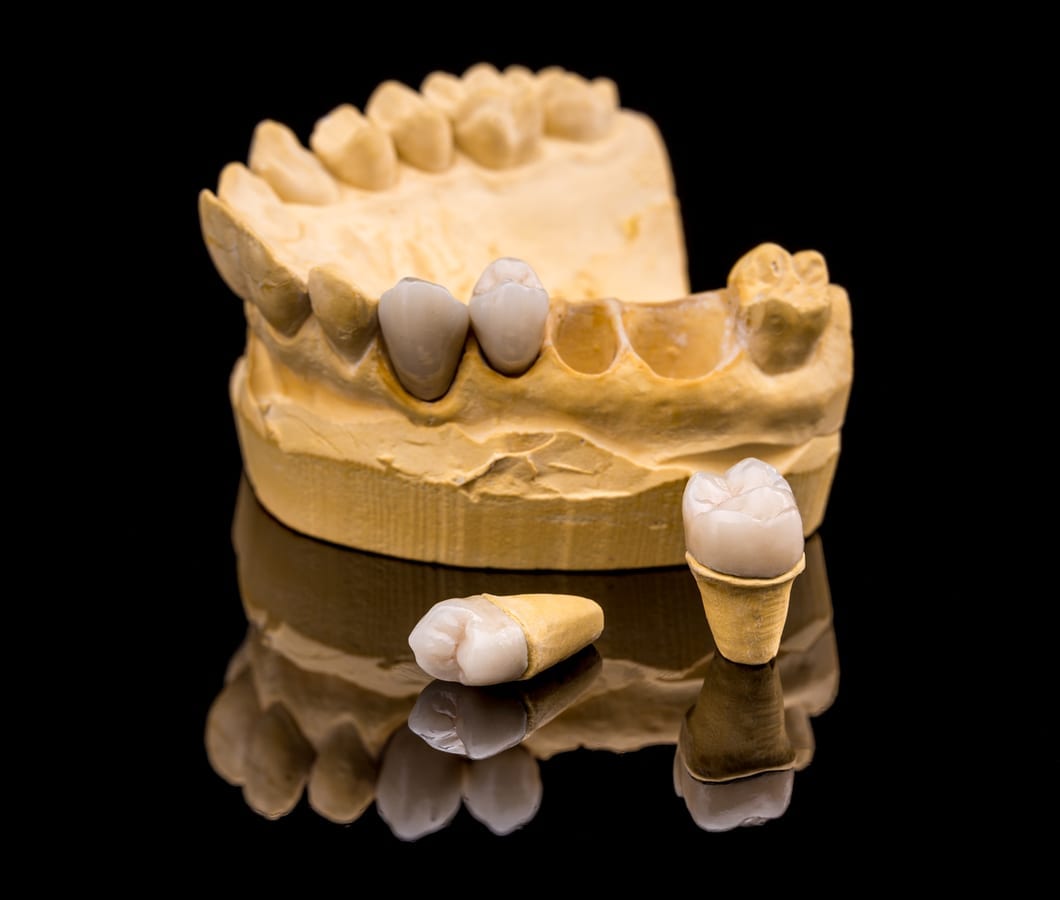
A dental crown is a tooth-shaped cap placed over a damaged or weakened tooth. It restores the tooth’s shape, strength, and appearance. Crowns are one of the most common restorative procedures in general dentistry.
Several situations may call for a crown. Your dentist might recommend one after a root canal, a large filling, or a cracked tooth. Sometimes a crown is needed to protect a tooth that has become too weak to function safely on its own.
Here are common reasons Dr. Kopakin places crowns for Clearwater patients:
- Teeth with large decay that a filling can’t fully restore
- Cracked or fractured teeth at risk of splitting
- Teeth that have had root canal treatment
- Severely worn teeth from grinding or acid erosion
- Support for a dental bridge or implant restoration
Step-by-Step: Your First Crown Appointment
The crown process typically requires two visits. The first appointment focuses on preparing the tooth and taking an impression. Dr. Kopakin makes patient comfort a top priority from the moment you sit in the chair.
Step 1 — Numbing the area. The appointment begins with local anesthesia. Dr. Kopakin carefully numbs the tooth and the surrounding gum tissue. Most patients feel only slight pressure after this step.
Step 2 — Shaping the tooth. Once you’re comfortable, the tooth is gently reshaped. This creates space for the crown to sit naturally over the tooth. A small amount of enamel is removed from the top and sides.
Step 3 — Taking an impression. After shaping, an impression of your tooth is made. This precise mold is sent to a dental lab. The lab uses it to craft your permanent crown to an exact fit.
Step 4 — Placing a temporary crown. Before you leave, a temporary crown is placed over the prepared tooth. It protects the tooth while your permanent crown is being made. The temporary crown is secured with a special cement that allows easy removal at your second visit.
What Happens at Your Second Crown Appointment
The second visit usually takes place two to three weeks after the first. By this time, your permanent crown has been crafted at the lab. This appointment is typically shorter and more straightforward.
Step 1 — Removing the temporary crown. The temporary crown is gently taken off. The tooth is cleaned and prepared to receive the permanent restoration.
Step 2 — Checking the fit and colour. Dr. Kopakin places the permanent crown and checks how it fits between your teeth. He also confirms that the colour matches your surrounding teeth naturally.
Step 3 — Making adjustments. Small adjustments may be made to ensure a comfortable bite. This step is important for long-term comfort and function. Most adjustments take only a few minutes.
Step 4 — Cementing the crown. Once everything looks and feels right, the crown is bonded permanently into place. The result is a strong, natural-looking tooth that functions just like your own.
Tips for Clearwater Patients: What to Do Between Appointments
The two to three weeks between appointments requires a little extra care. Your temporary crown does a good job, but it isn’t as durable as the permanent one. Treating it gently helps avoid complications.
Here are simple tips to protect your temporary crown:
- Avoid sticky or chewy foods like caramel or gum
- Chew on the opposite side of your mouth when possible
- Be gentle when flossing near the temporary crown
- Avoid hard foods that could crack or dislodge the temporary
- Contact the practice promptly if the temporary crown falls off
Some mild sensitivity after the first appointment is normal. Cold or hot foods may cause brief discomfort near the treated tooth. This usually fades within a few days as your mouth settles.
If you experience sharp pain, swelling, or a loose temporary crown, don’t wait for your next appointment. Reach out to Boulevard Dental of Clearwater right away. Prompt care helps keep your treatment on track and comfortable.
Crown Care and What Comes Next
Once your permanent crown is in place, caring for it is simple. Brush twice daily and floss around the crown just as you would a natural tooth. Regular professional cleanings at Boulevard Dental of Clearwater help maintain both the crown and your surrounding teeth.
A well-cared-for crown can last 10 to 15 years or longer. The longevity depends on your oral hygiene habits and avoiding habits like ice chewing or teeth grinding. If grinding is a concern, Dr. Kopakin may recommend a custom night guard to protect your investment.
Dental crowns are just one part of a broader approach to healthy, confident smiles. If you’re interested in improving the appearance of your teeth alongside functional care, explore your options with Cosmetic Dentistry Clearwater at our practice. From teeth whitening to veneers, there are many ways to complement a crown restoration beautifully.
And if a dental concern feels urgent at any point — whether during your crown treatment or outside of it — our team is here for you. We offer Emergency Dentistry Clearwater so that no patient has to manage a dental emergency alone.
Knowing what to expect makes every appointment easier. Dr. Kopakin and the Boulevard Dental team are committed to clear communication, gentle care, and outstanding results for every Clearwater patient. Book Now to schedule your appointment with our team.
Frequently Asked Questions
How long does a dental crown appointment take?
The first crown appointment usually takes 60 to 90 minutes. This allows time for numbing, shaping, impression-taking, and placing the temporary crown. The second appointment is typically shorter, often 30 to 45 minutes, since it mainly involves fitting and cementing the permanent crown.
Is getting a dental crown painful?
Most patients experience very little discomfort during the procedure. Local anesthesia numbs the tooth and surrounding tissue before any work begins. Some mild sensitivity between appointments is normal, but sharp or prolonged pain should be reported to your dentist promptly.
How long do dental crowns last?
With proper care, dental crowns typically last between 10 and 15 years. Some crowns last even longer depending on the material used and the patient’s oral hygiene habits. Avoiding hard foods and protecting against grinding helps extend a crown’s lifespan significantly.
Can I eat normally after my crown is placed?
After your permanent crown is cemented, you can generally return to normal eating once the anesthesia wears off. With a temporary crown, you should avoid sticky, chewy, and very hard foods. Your dentist will give you specific guidance based on your individual case.
What should I do if my temporary crown falls off?
Contact Boulevard Dental of Clearwater as soon as possible if your temporary crown comes off. Do not leave the prepared tooth unprotected for long. In some cases, the temporary can be re-cemented quickly to keep your treatment on schedule and your tooth comfortable.