2725 Park Dr, Suite 1, Clearwater, FL 33763
If you live in Greenbriar and dread your dental cleanings, you are not alone. Many patients wonder why your teeth feel sensitive during cleaning and how we stop it in Greenbriar before it becomes a bigger concern. The good news is that sensitivity during a cleaning is common, well-understood, and very manageable. At Boulevard Dental of Clearwater, Dr. Jason Kopakin and our hygiene team are here to make every visit as comfortable as possible.
Understanding what causes that sensitivity is the first step. Once you know what is happening, the discomfort feels far less mysterious. Let us walk you through the reasons and the solutions our team uses every day.
Why Your Teeth Feel Sensitive During a Cleaning
Tooth sensitivity during a cleaning usually comes from exposed dentin. Dentin is the inner layer of your tooth, just beneath the enamel. When enamel wears down or gums recede, dentin becomes exposed to temperature and pressure changes.
During a professional cleaning, your hygienist uses instruments that contact your teeth and gumline directly. This contact can stimulate those exposed dentin tubules. The result is a brief, sharp sensation that can range from mild to quite uncomfortable.
Several conditions make sensitivity more likely during cleanings:
- Gum recession that exposes tooth roots
- Enamel erosion from acidic foods or beverages
- Cracked or chipped enamel surfaces
- Gum disease or inflammation around the gumline
- A long gap between professional cleanings
If it has been a while since your last visit, tartar buildup can be heavier. Removing that buildup requires more effort and can increase sensitivity temporarily. This is one more reason why staying on a regular cleaning schedule really does help.
How Gum Disease Makes Sensitivity Worse in Greenbriar Patients
Gum disease is one of the most common reasons patients in Greenbriar experience heightened sensitivity. When gums become inflamed, they pull away from the teeth slightly. This exposes the sensitive root surfaces underneath.
Inflamed gum tissue is also more reactive. Even light contact from a cleaning instrument can cause discomfort. Patients with early-stage gum disease, called gingivitis, often notice this sensitivity increasing over time if left untreated.
The encouraging news is that consistent professional cleanings actually reduce this problem over time. As gum health improves, sensitivity during cleanings tends to decrease. Your hygienist will always note your gum health and adjust the approach accordingly.
If your gums bleed easily or feel sore between visits, let Dr. Kopakin know. These are signs that your gum tissue needs attention, and addressing them early prevents more significant sensitivity later.
What Our Hygienist Does to Minimize Your Discomfort
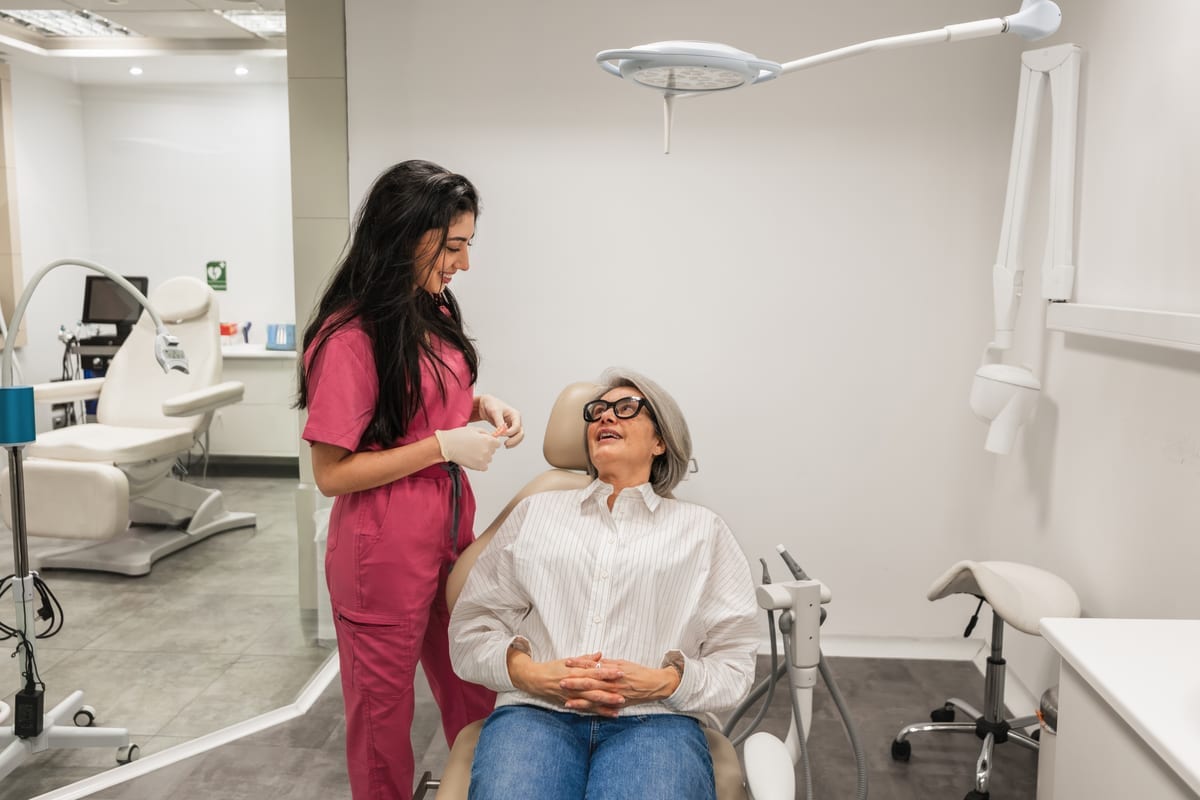
At Boulevard Dental of Clearwater, we take sensitivity seriously. Our hygiene team uses several techniques to keep discomfort manageable during every visit. Communication is always the first tool we reach for.
Before beginning, your hygienist will ask about any areas of known sensitivity. This allows them to approach those zones more gently and with greater care. You should always feel empowered to speak up during your cleaning if something feels too uncomfortable.
Here is what our team does to reduce sensitivity during cleanings:
- Using gentler hand instruments around sensitive areas
- Applying topical numbing gel before cleaning if needed
- Taking short breaks to give sensitive spots a rest
- Using an ultrasonic scaler with adjustable settings for comfort
- Offering desensitizing fluoride treatments after the cleaning
Ultrasonic scalers use gentle vibrations and water to loosen tartar. Many patients find this less uncomfortable than traditional scraping. We choose the right tool based on your specific needs during each visit.
A topical anesthetic gel can be applied directly to sensitive gum areas before cleaning begins. This numbs the surface tissue and significantly reduces discomfort. You do not need to struggle through your cleaning — just ask and we will help.
Helping Anxious Patients Feel at Ease During Cleanings
Dental anxiety is real, and we understand it fully. Many Greenbriar patients avoid the dentist specifically because they fear sensitivity or pain during cleanings. This avoidance, unfortunately, tends to make the problem worse over time.
At Boulevard Dental of Clearwater, we create a judgment-free environment. Dr. Kopakin and our team have worked with hundreds of patients who felt nervous walking through the door. We go at your pace, always.
If you are feeling anxious about an upcoming cleaning, here are some things that can help:
- Tell your hygienist upfront about your anxiety and sensitivity concerns
- Agree on a stop signal — like raising your hand — so you stay in control
- Request breaks as needed during the appointment
- Ask about desensitizing toothpaste you can use at home before visits
- Schedule cleanings at a time of day when you feel most relaxed
We also welcome questions at any point during your visit. Understanding what is happening as it happens can reduce anxiety significantly. Our team is always happy to explain each step before performing it.
If you ever experience a sudden or severe tooth problem between visits, we are here for that too. Our Emergency Dentistry Greenbriar services are available so you never have to wait through unexpected pain.
Long-Term Solutions That Reduce Sensitivity Over Time
Beyond individual appointments, there are steps you can take to reduce sensitivity long-term. Building a stronger oral health routine at home makes each cleaning more comfortable. Consistency really is the key factor here.
Using a soft-bristle toothbrush protects your enamel and gum tissue. Brushing too hard is one of the most common causes of gum recession. Recession exposes roots and increases sensitivity significantly over time.
Desensitizing toothpastes containing potassium nitrate or stannous fluoride can help block the sensation signals in dentin tubules. Use them consistently for at least two weeks before a cleaning for the best results. Ask your hygienist which formula they recommend for your needs.
If you are interested in addressing the cosmetic side of enamel damage or want to explore treatments that protect sensitive surfaces, our Cosmetic Dentistry Greenbriar options may be a great fit. Treatments like veneers and crowns can cover and protect sensitive tooth surfaces beautifully.
Staying on a six-month cleaning schedule is also one of the most effective long-term strategies. Regular cleanings prevent heavy tartar buildup. Less buildup means less effort and less discomfort during each visit.
Your Comfort Is Our Priority at Boulevard Dental of Clearwater
Sensitivity during cleanings is a common concern, but it does not have to define your dental experience. Dr. Jason Kopakin and the team at Boulevard Dental of Clearwater are committed to making every visit in Greenbriar a positive one. We listen, we adjust, and we never rush through your care.
Whether you have been avoiding the dentist for years or simply want to feel more comfortable during routine visits, we are here to help. Small adjustments make a tremendous difference in how you feel during and after your cleaning. You deserve a dental experience that leaves you confident, not anxious.
Take the next step toward a more comfortable dental routine today. Book Now to schedule your appointment with our team.
Frequently Asked Questions
Why do my teeth hurt during a professional cleaning?
Sensitivity during cleanings usually comes from exposed dentin, gum recession, or inflammation. When enamel wears thin or gums pull back, the sensitive inner layer of your tooth becomes exposed to pressure and temperature. Your hygienist can use gentler techniques and topical numbing gel to reduce this discomfort significantly.
Is it normal to have sensitive teeth after a cleaning?
Yes, mild sensitivity after a cleaning is completely normal and typically fades within 24 to 48 hours. This happens because your gums and teeth have been worked around more carefully than during daily brushing. Rinsing with warm salt water and avoiding very hot or cold foods can help during this short recovery period.
Can I ask my dentist to numb my gums before a cleaning?
Absolutely. At Boulevard Dental of Clearwater, we can apply a topical anesthetic gel to sensitive gum areas before your cleaning begins. This reduces discomfort significantly without a full injection. Simply let your hygienist know before they start and we will accommodate your needs.
How can I reduce tooth sensitivity before my dental appointment?
Using a desensitizing toothpaste for two to four weeks before your cleaning can help reduce sensitivity noticeably. Look for formulas containing potassium nitrate or stannous fluoride. Avoiding highly acidic foods and drinks in the days leading up to your appointment also helps protect enamel.
Will my sensitivity get better with regular cleanings?
Yes, in most cases sensitivity improves with consistent professional cleanings. Regular visits prevent heavy tartar and plaque buildup, which reduces the effort needed to clean your teeth. Healthier gums also become less reactive over time, making each appointment more comfortable than the last.